


Effective Washing Machine Repairs by Experts

A washing machine is an essential household appliance that saves time and effort in daily chores. When it breaks down, it can disrupt your routine and cause frustration. Knowing how to handle washing machine issues effectively can save you money and extend the life of your appliance. This article explores expert washing machine repairs, common problems, and practical advice on when to call professionals.
Understanding Expert Washing Machine Repairs
Expert washing machine repairs involve diagnosing and fixing issues with precision and care. Professionals use specialized tools and knowledge to identify the root cause of problems, whether mechanical, electrical, or software-related. Common repairs include fixing leaks, replacing belts, repairing motors, and addressing drainage issues.
Professional repair services ensure that your washing machine operates efficiently and safely. They also help prevent further damage by addressing problems early. For example, a leaking hose might seem minor but can cause water damage if ignored. Experts can replace faulty parts with genuine components, maintaining the machine’s performance and warranty.

Close-up view of washing machine drum and control panel
Why Choose Expert Washing Machine Repairs?
Choosing expert washing machine repairs offers several benefits:
Accurate Diagnosis: Experts quickly identify the exact problem, saving time and avoiding unnecessary part replacements.
Quality Parts: Professionals use high-quality replacement parts that last longer.
Safety: Repairing electrical appliances involves risks. Experts follow safety protocols to prevent accidents.
Warranty Protection: Many repairs done by certified technicians keep your appliance warranty intact.
Cost-Effectiveness: Although professional repairs may seem costly upfront, they prevent recurring issues and expensive replacements.
For instance, if your washing machine is not spinning properly, an expert can check the motor, belt, and control board to find the cause. Attempting to fix it without proper knowledge might worsen the problem.
If you need reliable washing machine repair, consider contacting certified technicians who specialize in your appliance brand and model.

Eye-level view of technician repairing washing machine motor
Can You Repair Your Own Washing Machine?
Many people wonder if they can repair their washing machines themselves. The answer depends on the complexity of the issue and your technical skills.
Simple Repairs You Can Try
Cleaning the filter: Lint and debris can clog the filter, causing drainage problems.
Checking hoses: Inspect hoses for leaks or blockages.
Balancing the machine: Uneven placement can cause excessive vibration.
Resetting the machine: Sometimes, a simple reset can fix electronic glitches.
When to Avoid DIY Repairs
Electrical repairs involving wiring or control boards.
Motor or pump replacements.
Complex mechanical issues like drum or transmission problems.
When the machine is under warranty.
Attempting complicated repairs without expertise can lead to injury or further damage. If you are unsure, it is best to seek professional help.
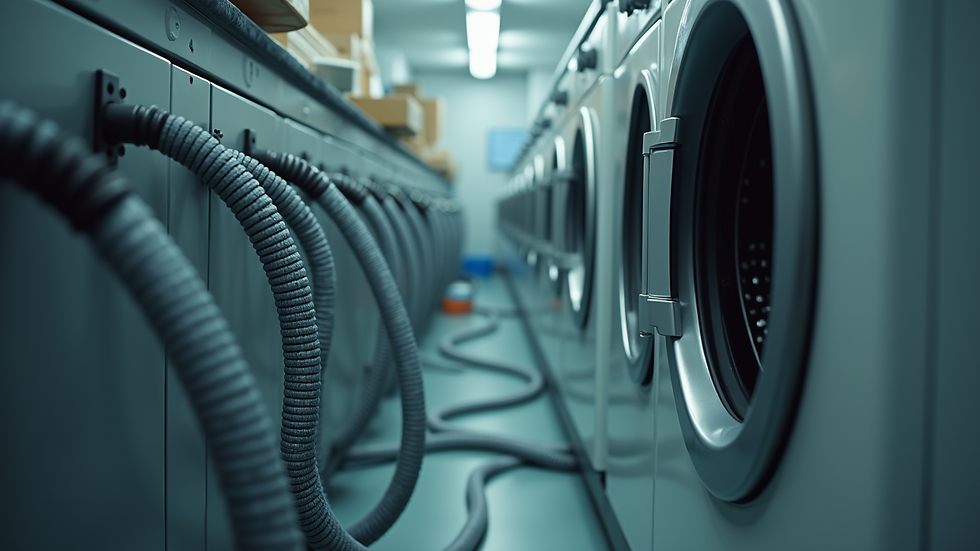
High angle view of washing machine hoses and connections
Common Washing Machine Problems and How Experts Fix Them
Understanding common washing machine problems helps you recognize when to call an expert. Here are some frequent issues and their expert solutions:
1. Washing Machine Won’t Start
Possible causes include faulty door locks, blown fuses, or control board failures. Experts test electrical components and replace defective parts.
2. Water Leaks
Leaks can result from damaged hoses, door seals, or detergent dispensers. Professionals inspect and replace worn-out seals or hoses to stop leaks.
3. Machine Not Spinning
This may be due to broken belts, motor issues, or unbalanced loads. Experts check mechanical parts and repair or replace them as needed.
4. Excessive Noise or Vibration
Worn bearings, loose parts, or unbalanced loads cause noise. Technicians tighten components and replace bearings to restore quiet operation.
5. Drainage Problems
Clogged pumps or filters prevent water from draining. Experts clean or replace pumps and filters to ensure proper drainage.
By addressing these problems promptly with expert help, you can avoid costly replacements and keep your washing machine running efficiently.
Tips to Maintain Your Washing Machine and Avoid Repairs
Preventive maintenance reduces the need for repairs and extends your washing machine’s lifespan. Here are some practical tips:
Use the right detergent: Excessive suds can damage the machine.
Don’t overload: Overloading strains the motor and drum.
Clean the drum and seals regularly: Prevent mold and odors.
Check hoses periodically: Replace old or cracked hoses.
Level the machine: Ensure it sits evenly to avoid vibrations.
Run maintenance cycles: Use washing machine cleaner monthly.
Following these simple steps can keep your appliance in top condition and reduce the frequency of repairs.
When to Call a Professional for Washing Machine Repair
Knowing when to call a professional is crucial. If your washing machine shows any of the following signs, it’s time to seek expert help:
Persistent leaks despite basic checks.
Strange noises that don’t go away.
Machine won’t start or complete cycles.
Electrical issues like sparks or burning smells.
Error codes on the display that you cannot resolve.
Professional technicians have the tools and experience to fix these problems safely and effectively. For trusted service, consider contacting specialists offering washing machine repair.
By understanding the importance of expert washing machine repairs and following maintenance tips, you can keep your appliance running smoothly for years. Whether you attempt simple fixes or call professionals, timely action is key to avoiding bigger problems. Remember, a well-maintained washing machine saves time, energy, and money in the long run.


Comments